Craitin Chemistry

Category: Mining Chemistry

  • The Chemistry of Flotation: Tailoring Reagents for Selective Ore Separation

    The Chemistry of Flotation: Tailoring Reagents for Selective Ore Separation

    Froth flotation is the primary method used to separate valuable minerals from gangue in mining. Selectivity depends on the delicate chemical balance between collectors, frothers, and modifiers. At Craitin, we design custom flotation packages tailored to specific mineral structures.

    Hydrophobicity and Mineral Selectivity

    Most mineral surfaces are naturally hydrophilic (water-attracting). Collectors are organic compounds that selectively adsorb onto target mineral surfaces, rendering them hydrophobic (water-repelling). This allows air bubbles to attach to the mineral and float them to the surface.

    “Modulating collector chemistry in polymetallic ores allows the selective recovery of copper and gold while leaving iron sulphides in the tailings.”

    Types of Flotation Modifiers

    • Activators: Enhance collector adsorption on minerals that are normally difficult to float.
    • Depressants: Selectively render gangue minerals hydrophilic, preventing them from floating.
    • pH Regulators: Control slurry pH, which dictates the ionization state of collectors.
  • Increasing Ore Recovery: Next-Generation Flotation Reagents in Platinum Mines

    Increasing Ore Recovery: Next-Generation Flotation Reagents in Platinum Mines

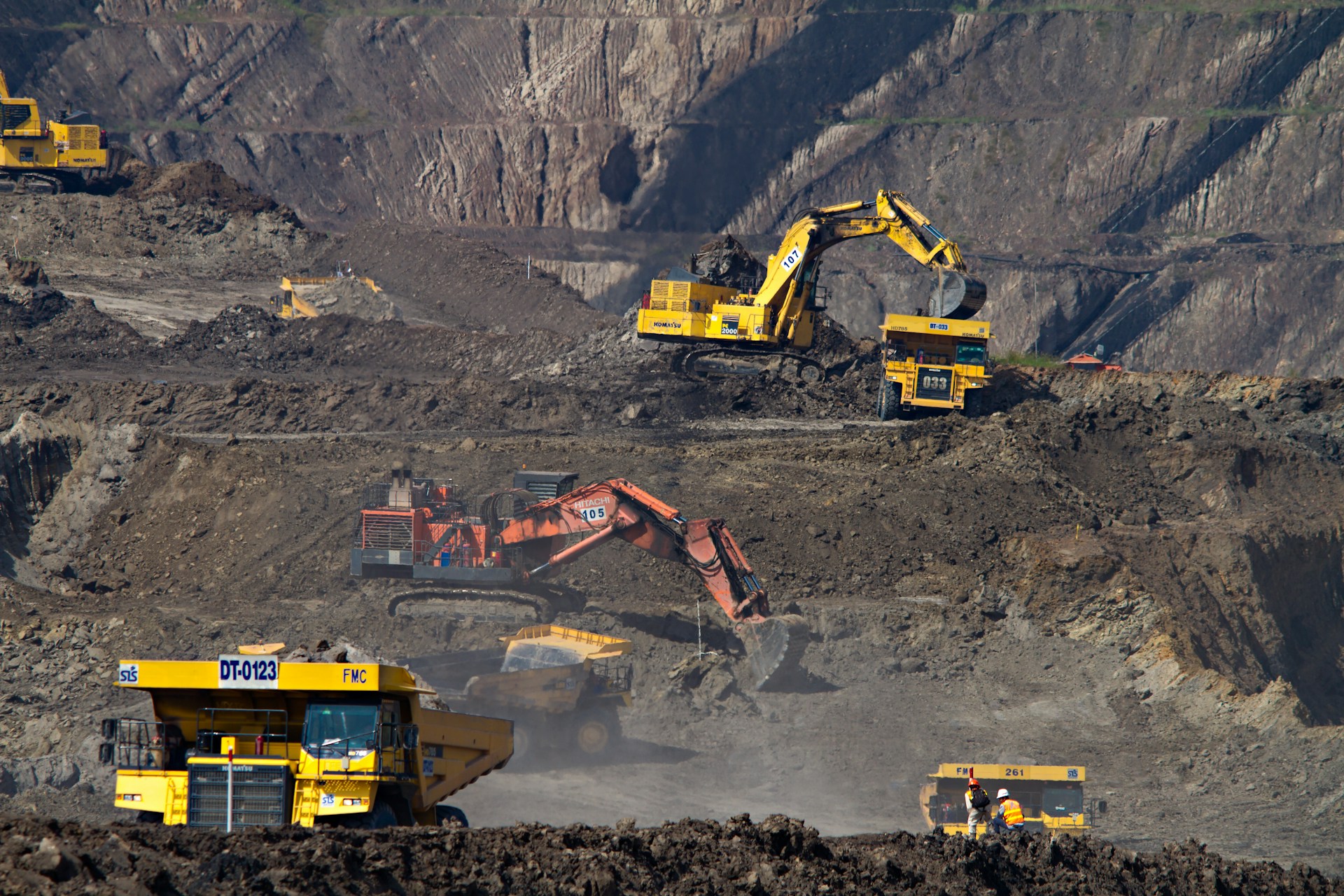
    Platinum Group Metals (PGMs) are critical to global technology and green energy. However, mineral ore grades have decreased, forcing mining companies to process complex, low-yield ores. Improving flotation recovery by even 1% can recover millions in lost minerals.

    Saline Process Water and Froth Stability

    Many mining operations are located in arid regions where fresh water is scarce. Processing plants must recycle water or use highly saline underground aquifers. Standard frothers collapse in saline conditions, but Craitin’s saline-tolerant formulations maintain bubble size distribution and froth stability.

    Flotation Performance Comparison

    Reagent Profile PGM Recovery Rate (%) Concentrate Grade (g/t)
    Standard Commodity Reagents 84.2% 120
    Craitin Bespoke Collectors 86.8% 138
    Craitin Collectors + Saline Frothers 88.5% 147

    Reagent Deployment Guide

    1. Ore Characterisation: Run mineralogical scans to map grain size and liberation properties.
    2. Dosage Optimisation: Calibrate reagent pumps to adjust dosages dynamically to pulp density.
    3. Water Quality Auditing: Test process water salinity and hardness weekly to adapt frother ratios.